
Unibet Casino Review A Clear Player-Focused Look at Games

Unibet Casino Review — A Clear, Player-Focused Look at Games, Licensing, Payouts and Reputation Unibet is one of those big, familiar names in the online-gambling world — you’ve likely seen its ads, used its sportsbook, or at least heard other players mention it. It’s a full-suite operator that runs casino games, poker, a live casino and a sportsbook under one roof. That breadth is a major selling point, but Unibet’s reputation isn’t spotless: player reviews frequently flag verification delays, withdrawal friction and account restrictions. In this review I’ll walk you through what matters most — licensing, games, bonuses, payments, support and real-world player sentiment — and give practical advice so you can decide if Unibet fits your needs. Quick verdict — Who should consider Unibet? If you want a one-stop shop that combines sportsbook, casino and poker with a huge game library, Unibet is worth a look. It’s a licensed, established operator with a full product stack and thousands of titles. However, if instant withdrawals, top-tier bonus value, or flawless customer support are your non-negotiables, there are specialist casinos that might serve you better. Good fit: players who value integrated sportsbook + casino, strong game selection, and a trustworthy brand backed by major licenses. Not ideal if: you need lightning-fast KYC and withdrawals or want the most aggressive bonus deals — these are the areas where player complaints cluster. Licensing and legitimacy: Is Unibet safe to play with? Short answer: yes — Unibet is a legitimate operator with strong regulatory oversight in key markets. Multiple review sources and industry trackers describe Unibet as licensed across Europe and specifically approved to operate in the UK market. That’s meaningful because regulated sites must adhere to player-protection rules, verified identity checks and fair-play testing. For UK players, Unibet operates under the UK Gambling Commission framework, which sets standards for age verification, anti-money laundering (AML), self-exclusion, and advertising. You can check details on the regulator’s website here: UK Gambling Commission. If you prefer to see what Unibet officially offers, visit the operator’s site here: Unibet official website. Industry review pages generally classify Unibet as legitimate and feature-rich; see the overview at CasinosThatAccept — Unibet review for a consolidated look. Legitimacy doesn’t erase all problems, but it means your rights as a player are better protected than they would be on an unlicensed site. Games and product range — The real strength Unibet’s product suite is the platform’s headline strength. This isn’t a boutique casino; it’s a full ecosystem: slots, table games, live dealer rooms, poker and a sportsbook. Multiple reviews praise the breadth — thousands of games, major game providers on the platform and an integrated live casino experience. Why this matters: when a single operator covers casino and sports, players can move between markets, use unified wallets, and often get cross-product promotions. If you like switching from a slot session to live blackjack then placing a bet on a football match, that convenience is valuable. For context, industry write-ups note Unibet’s games lineup and live-casino options in detail — for a practical perspective, read a player-focused rundown at Casino.org — Unibet review or a broader operator review at Outplayed — Unibet review. Bonuses and promotions — Useful but not market-leading Unibet offers a range of welcome bonuses and recurring promotions — these vary by country and sport/casino vertical. Review coverage is mixed: some players and experts praise the promotions for variety, while others find the terms less generous than those offered by specialist casino operators. Why this matters: bonus value is a function of offer size plus wagering terms, maximum bet limits, and game contribution rules. A big headline number can look attractive, but if wagering requirements or game restrictions are strict, the real value drops. Industry reviewers at Gambling.com — Unibet review note that promotions are plentiful but sometimes inconsistent across markets. If you chase the best bonus-to-wagering ratio, compare Unibet’s current offer to specialist casinos before committing. If you value cross-product loyalty (casino + sportsbook perks), Unibet’s ecosystem can offset somewhat modest bonus terms. Payments, KYC and withdrawals — Solid, but prepare for verification This is where real players get twitchy. Multiple sources praise Unibet for fast withdrawals once KYC is complete, but player reviews and customer-feedback aggregators repeatedly cite verification delays and withdrawal friction as notable complaints. What to expect: Deposit options: standard cards, e-wallets and bank transfers in most markets. Availability depends heavily on your country. Verification (KYC): Unibet, like regulated operators, requires ID and proof of address for account verification. Reviews show this process works smoothly for many players — but not all. Common pain points are incomplete documentation submissions and slow human review times. Withdrawals: Many reviewers say withdrawals clear quickly once verification is approved. The sticking point is that verification itself can delay payouts. In short: Unibet’s payment rails are fine, but your personal experience hinges on how quickly you complete KYC and how promptly the operator processes it. For a read on user-side reports, see consolidated player feedback at CasinosThatAccept — Unibet reviews and public complaints on Trustpilot’s Unibet page. Those Trustpilot threads are a useful sentiment snapshot: they’re not the whole picture, but they’re an honest indicator of friction points. Practical payment tips Upload your ID and proof of address right after registering — don’t wait until your first withdrawal. That avoids the most common timing problem. Use the same payment method for withdrawals as for deposits where possible (cards → card, e-wallet → same e-wallet) to reduce checks. Keep file scans/photos clear and uncropped; a blurry passport image adds avoidable delays. Customer support and player sentiment — Mixed signals Support is another mixed bag. Officially, Unibet provides multiple contact channels — live chat (often 24/7 in major markets), email and detailed help pages. Several review sites mention 24/7 live chat availability as a positive. On the flip side, player reviews sometimes flag slow replies, scripted responses and inconsistent resolutions. That’s not unusual for a big operator handling millions of customers — but
LMU Names Becca Weissmann Interim Coach for Women’s Tennis
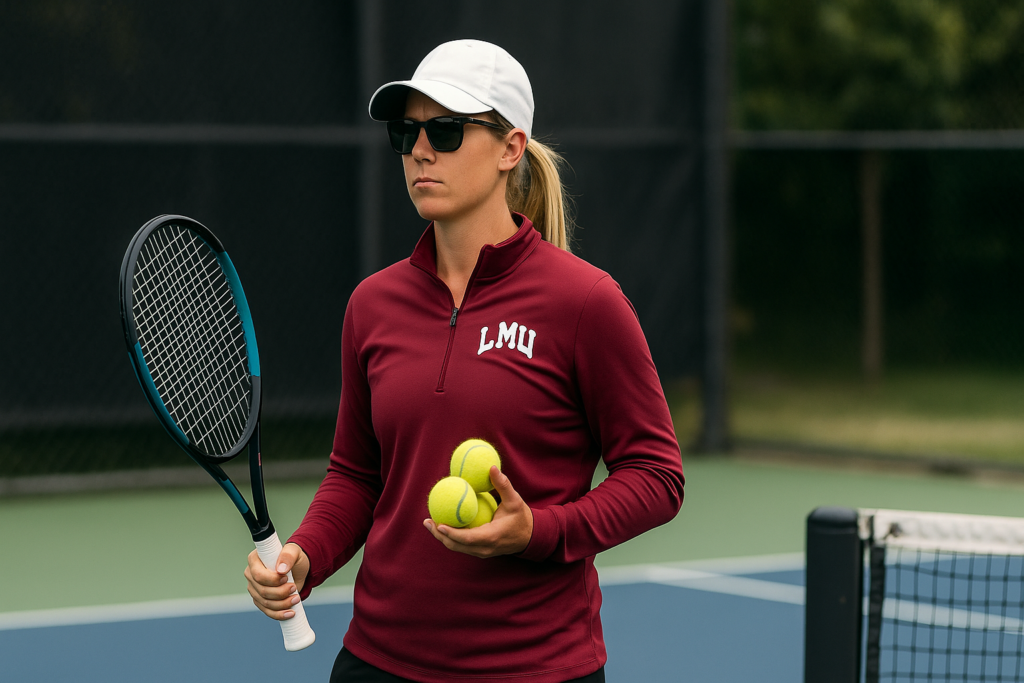
Becca Weissmann Appointed as Interim Head Coach of LMU Women’s Tennis LMU Athletics made a swift and decisive move on August 11, 2026: Becca Weissmann has been named the interim head coach of the Loyola Marymount University women’s tennis program, effective immediately. For players, fans, and anyone who likes to keep an eye on college tennis storylines, this is a meaningful development — the kind of leadership shift that can reset a team’s identity, recruiting momentum, and daily routine. If you follow the program you probably already saw the official release; if you didn’t, LMU put the announcement out on its site detailing Weissmann’s elevation and the reasons behind it. From assistant to associate to interim: Weissmann’s LMU trajectory Weissmann’s rise through the LMU coaching ranks reads like a steady, no-surprises climb. She arrived on the Bluff as an assistant coach in 2021 and earned a promotion to associate head coach ahead of the 2025–26 season. LMU’s staff pages and program materials reflect that timeline, and the official news release confirms it. That internal promotion pattern is worth noting. Programs often prefer continuity: promoting from within keeps institutional knowledge intact, preserves relationships with current student‑athletes, and signals to recruits that there is stability despite administrative turnover. You can see LMU’s current staff listing on the program directory for context about the coaching corps and support staff. Official announcement: LMU Athletics announcement: Becca Weissmann appointed as interim head coach Results on the court — the stats that matter Numbers don’t tell the whole story, but they’re a reliable shorthand for program trajectory. Under Weissmann’s guidance, LMU posted 64 victories and a 59% win rate. Those figures are highlighted in the university’s release and reflect multi-season performance rather than one standout year. The 2022 season is a clear milestone: LMU went 18–4, punched its ticket to the NCAA Tournament, and notched a top‑5 win over UCLA — a scalp that still turns heads in college tennis circles. That season in particular helps illustrate Weissmann’s ability to prepare players for high-stakes matches and to foster an environment where upsets happen. It also provides a foundation when evaluating whether an interim coach might be the right choice to steady the ship or to pursue long-term leadership. For a snapshot of team personnel and context around the roster that contributed to these results, consult LMU’s roster page: LMU women’s tennis roster Why LMU chose Weissmann — leadership, relationships, and continuity In the official release, LMU’s Athletic Director emphasized Weissmann’s leadership and her rapport with student‑athletes as major factors in naming her interim head coach. Those aren’t generic platitudes — they’re practical considerations. When a program is in transition, the people who hold the locker room together and keep recruiting conversations honest are often the ones who get tapped to steer the team short term. Weissmann herself expressed gratitude and excitement for the opportunity, signaling she’s prepared to shoulder the administrative duties that accompany the top job in addition to the coaching responsibilities. There’s a different workload involved in running a program — liaising with the athletic department, finalizing travel and recruiting logistics, and managing scholarship distribution — and the university’s decision suggests confidence that Weissmann can handle that mix right away. Context on her elevation to associate head coach before the 2025–26 season (a step that likely paved the way for this interim role) is available in LMU’s program notes: Cal LMU announcement: Weissmann elevated to associate head coach What “interim” actually means — timelines, evaluations, and the path to permanence “Interim” is a practical label used by athletic departments to buy time and ensure continuity while they sort out next steps. It doesn’t automatically mean a nationwide coaching search is off the table, nor does it condemn the interim coach to a short stay. Often, the interim season is a live audition: performance, recruiting retention, player buy‑in, and the intangibles (team culture, academic progress, community engagement) all factor into whether that interim tag becomes permanent. That said, the administrative materials available at the time of the announcement present a small discrepancy: program directory pages available in public materials still list Agustín Moreno as head coach while Weissmann is shown as associate head coach, even as the August 11 news release announces Weissmann’s interim role. That kind of lag is common in collegiate athletics; official web pages sometimes take longer to catch up with press releases. Still, it’s a reminder that internal transitions often unfold over several days or weeks as HR, compliance, and communications tasks get aligned. LMU program directory: LMU women’s tennis coaches directory Practical impacts: players, recruiting, and the match-day environment For current players, a coaching change is a practical stressor and, paradoxically, a potential energizer. Players may worry about lineups, practice structure, and whether the incoming leader will alter their roles. But because Weissmann is already embedded in the program, the short‑term changes are likely to be less dramatic than if an outsider had been parachuted in. Recruiting is the arena where transitions cause the most ripple effects. Prospective student‑athletes value relationship continuity; coaches who recruited a player are often the primary reason the recruit committed. Weissmann’s promotion could be stabilizing in that sense — she’s part of those conversations. Still, recruits and their families will watch closely for signals about the program’s long‑term vision and resources. On match day, the biggest variables are often subtle: lineup decisions, doubles pairings, and the psychological atmosphere. Those are areas where a coach—interim or permanent—can quickly influence outcomes. That influence is especially true in collegiate tennis, where team chemistry and clutch doubles play can decide dual matches more often than you might expect. From a betting and performance perspective: what to watch (and why to be cautious) Okay, now for the gambling‑savvy part of the conversation — framed responsibly. Coaching changes create storylines that can attract bettors’ attention, but they’re also noisy signals. A new interim coach can spark short-term performance boosts (the so-called “new manager bounce”) or lead to disruption. The difference
Alexandra Eala Wins in Washington and Betting Angles
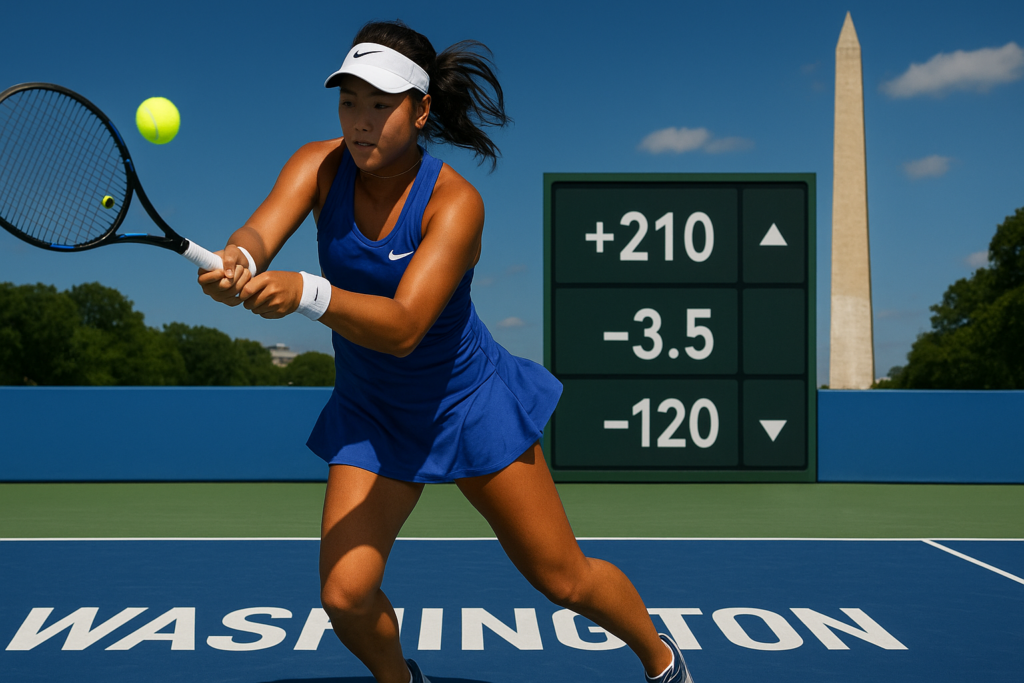
Philippines’ Alexandra Eala Makes History in Washington — and What It Means for Players and Punters Alexandra Eala did something rare on a humid, rain-hit Sunday in Washington: she rewrote the record books and handed bettors, bookies and tennis-watchers a moment to dissect for months. The 20–21‑year‑old Filipino captured her first WTA Tour‑level singles crown at the Mubadala DC Open — a WTA 500 event — beating world No. 3 Jessica Pegula 4–6, 6–4, 6–0 in a final that was rain‑delayed and finished across two days. It’s historic for Philippine sport (she’s the first Filipina — indeed the first Filipino — to win a WTA Tour singles title), and it’s an interesting case study for anyone who bets on tennis: momentum, mental toughness and volatility all collided in D.C. Why this Washington win matters — beyond national pride Let’s start with the headline: Eala didn’t just add a trophy. She made the leap from WTA 125 success to main‑tour validation. Her Guadalajara 125 triumph in 2025 (a 1–6, 7–5, 6–3 victory over Panna Udvardy) was a ground‑floor breakthrough — and it mattered — but a WTA 125 title isn’t the same as lifting hardware at a WTA 500. Winning in Washington means beating higher‑ranked, deeper fields, and Eala did that by defeating the tournament’s top seed, Jessica Pegula (the world No. 3 at the time). If you follow the WTA ladder, the difference is clear: WTA 125 events are developmental stepping stones; WTA 250/500/1000 events are where ranking points, media attention and substantial prize money really accelerate a player’s career. The official WTA player profile is the place to watch how the ranking and tournament entries change as a result of this win: see Eala’s profile on the WTA website for the official record and upcoming events. Alexandra Eala — WTA player profile. How the final unfolded — the scoreline tells a story Matches like Eala‑Pegula are where form lines and live markets get interesting. Pegula took the first set 6–4, and at that point many observers — and many pre‑match bettors — would have tipped the top seed to close it out. But Eala kept her composure, nudged the second set 6–4, and then produced a shutout 6–0 final set. That third set bagel after a momentum swing is the kind of outcome that sharp bettors live for — and that recreational punters fear (because it’s dramatic and sudden). For the record, contemporary reports and match summaries are available in mainstream outlets. See Al Jazeera’s match report for a succinct recap, and ESPN’s coverage for additional match context and the weather interruptions that affected the schedule. Al Jazeera: Philippines’ Eala wins first WTA title, ESPN: Match coverage and analysis. Rain delay and the two‑day final — why that matters to bettors Weather interruptions aren’t just annoying; they change betting dynamics. A rain delay — this final was played across two days — allows both players more recovery time, gives coaches a chance to make tactical adjustments, and often favours the mentally tougher player. From a betting perspective, delays can produce line drift. If you saw Eala getting better by the time play resumed, you could’ve found value in live markets. Conversely, bettors who loaded up on Pegula after the first set may have been caught out when momentum swung the other way. What this win says about Eala’s game and trajectory Eala’s Washington performance was a showcase in temperament as much as technique. Beating a top‑3 player in three sets — and closing with a dominant final set — suggests several things any bookmaker or handicapping bettor should note: Stamina and physical readiness: She sustained her level through a two‑day finish, indicating conditioning that suits the rigours of the tour. Mental resilience: Recovering from a lost first set and delivering an increasingly aggressive third set implies strong in‑match adaptability. Upside potential: Wins like this often catalyse confidence, which can translate into better results at bigger events. For deeper context on Eala’s earlier milestone, review coverage of her Guadalajara 125 win in 2025 to see how she built momentum. Gulf News: Guadalajara 125 victory. Taylor Fritz takes the men’s crown — the other half of the story The Mubadala DC Open had a double headline: while Eala made history on the WTA side, Taylor Fritz captured the men’s title. For tournament narratives, that’s neat symmetry — a U.S. star on the men’s side and a historic first for the Philippines on the women’s side. For bettors, it’s a reminder: individual tournaments can produce multiple storylines that affect markets across singles and doubles, futures and in‑play books. Al Jazeera’s roundup covers both champions in one place. Al Jazeera: Full Mubadala DC Open recap. Implications for betting markets — how to approach a breakout like Eala From a gambling‑expert perspective, Eala’s WTA 500 title creates several betting angles — and several traps. Here’s how to think about them without getting carried away. Short‑term market effects Futures volatility: Expect Eala to be a more prominent name in future markets for WTA tournaments and season‑end races. However, initial futures prices often overreact to headline wins; exercise caution and watch implied probability movements. Line adjustments: Bookmakers will move lines faster for a player fresh off a big win. That means better value may be found in immediate post‑final futures before books fully adjust, but those windows can be tiny and crowded. Live betting opportunities: Her tendency to swing matches after losing a set (as she did in the final) means live markets might offer favorable odds when she trails early. Long‑term wagering strategy Don’t confuse a single breakthrough with consistent elite performance. As a rule of thumb for bankroll allocation: Use smaller stake sizes on futures early after a breakthrough — treat it as a hypothesis that needs more data. Shop lines across bookmakers. Market inefficiency is your friend; small differences in futures prices compound over time. Consider hedging if you’ve taken a sizable position on Eala and volatility increases — a strategy that
Ashe Ray Joins LSU Women’s Tennis as Assistant Coach
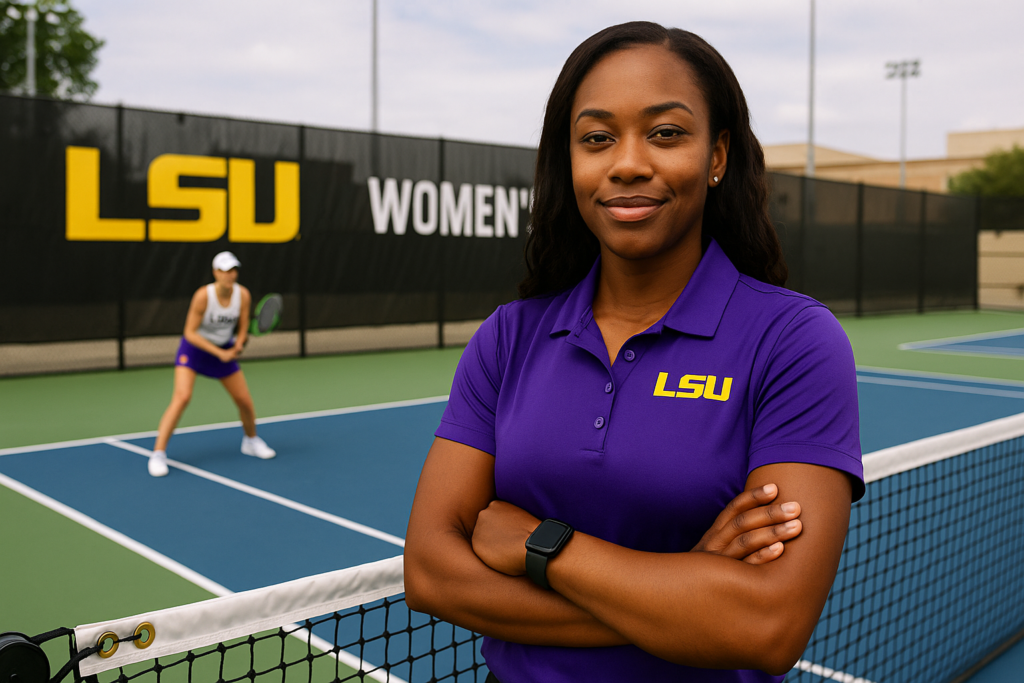
Ashe Ray Joins LSU Women’s Tennis as Assistant Coach: What the Hire Means for the Tigers LSU’s women’s tennis program quietly made a smart, targeted addition to its coaching staff when head coach Taylor Fogleman announced the hiring of Ashe Ray as an assistant coach. Short and sweet in the press release, the facts are simple: Ray is a former Wofford men’s tennis standout and now joins the LSU women’s coaching staff. But beneath that tidy headline there’s plenty to unpack — from what Ray’s playing pedigree can bring into the locker room to how assistant coaches shape recruiting, tactics and day-to-day development in Division I tennis. The hire at a glance Here’s the essentials: LSU announced that Ashe Ray has been added to the women’s tennis coaching staff, with the hiring publicized by head coach Taylor Fogleman. LSU’s athletic department made the formal announcement, naming Ray as an assistant coach for the program. The school’s release highlights Ray’s background as a standout player at Wofford College, signaling that the Tigers are investing in young coaches with recent on-court experience. Why does this matter? Because college tennis coaching staffs are compact. Bringing in someone who recently competed at the collegiate level shortens the learning curve for working with today’s student-athletes — from match prep to modern training methods and even the realities of recruiting and the transfer portal. For context on the program and staff, you can find LSU’s official women’s tennis information on the LSU Athletics site: LSU Women’s Tennis at LSU Athletics. Who is Ashe Ray — and what does “former Wofford standout” really mean? The news release describes Ray as a “former Wofford men’s tennis standout.” That phrasing tells you two useful things: first, he has recent playing experience at the collegiate level; second, he stood out enough at Wofford to be highlighted in LSU’s announcement. Wofford’s tennis program competes in NCAA Division I, producing athletes who are used to a high level of weekly competition and who understand the college-athlete lifestyle — travel, classes, training and matches. Players-turned-coaches can bring several immediate advantages: Credibility with players: Athletes often respond well to coaches who have “been there” — especially those who have navigated the grind of dual matches, travels and the balancing act between academics and athletics. Technical currency: Recent players are likely to be familiar with modern stroke mechanics, court strategies and contemporary training tools such as analytics and video breakdowns. Recruiting relatability: A coach who recently recruited or was recruited at the collegiate level understands what prospects are evaluating and how to communicate with high-schoolers and club players. Wofford’s athletics program is a known contributor to Division I competition; for a look at Wofford athletics broadly, see the school’s athletics site: Wofford Terriers Athletics. How Ashe Ray fits into Taylor Fogleman’s vision Taylor Fogleman is the architect of LSU’s current women’s tennis staff, and the public announcement makes clear that this hire is part of a staff-building strategy under his direction. Head coaches typically shape the program’s identity — recruiting philosophy, training emphasis, match-day strategy and culture — while assistant coaches handle much of the implementation. That means Ray won’t be working in a vacuum; he’ll be a piece of Fogleman’s larger puzzle. Assistant coaches can wear a lot of hats: on-court coaching, opponent scouting, recruiting territory management, academic oversight and daily athlete mentorship. The successful integration of a young coach like Ray will depend on role clarity and on how complementary his skills are to Fogleman’s strengths. If Fogleman is focusing the staff on a certain style of play or a recruitment pipeline, Ray’s background as a recent player could be exactly what the staff needs to execute that plan. To see the current head-coach-led structure and get a feel for Fogleman’s program, check LSU’s staff pages and related resources on the LSU Athletics site: LSU Athletics. Immediate and practical impacts: recruiting, practice and match day When a program brings in a new assistant coach, the effects show up in three concrete places: recruiting, day-to-day practices, and match-day execution. Here’s how Ashe Ray’s hire could influence each area. Recruiting Assistant coaches are often the frontline recruiters. They identify prospects, build relationships with families and high-school coaches, and manage campus visits. A coach with recent playing experience knows the recruiting conversation from both sides — what entices recruits today, what questions they’ll ask about playing time and development, and how to sell a program effectively. Because the assistant often serves as the day-to-day contact, Ray’s relatability to younger recruits can help LSU compete for players who might prioritize coaching that speaks their language. Practice and development Modern collegiate practice is a blend of stroke work, point-play drills, physical conditioning and tactical study. A former standout player can bring new drills, a fresh eye for technical fixes, and contemporary conditioning methods. He can also act as a near-peer mentor — sometimes it’s easier for a player to absorb corrections from someone who has recently been in the same position. That’s particularly useful for developing younger players or transfers adapting to the rigors of Southeastern Conference (SEC) competition. Match day and opponent scouting Assistant coaches are critical during dual matches: they handle on-court coaching between sets, manage lineup decisions with the head coach, perform scouting reports, and make tactical adjustments. Ray’s playing instinct — honed at Wofford — should help in identifying tactical edges, reading opponents, and advising players in pressure situations. Where this hire sits within the wider college tennis landscape College tennis has evolved rapidly over the last decade. The transfer portal, Name, Image and Likeness (NIL) rules, and the increasingly global recruiting footprint mean programs must be nimble. Assistant coaches are often the staff members who keep up with these shifts because they’re the ones executing the daily strategy. Whether it’s managing flexible scholarship usage, building relationships with international coaches, or coordinating NIL conversations, the assistant coach plays a central operational role. If you want to understand the broader framework that governs these
France and England Most Likely World Cup Final Pairing

World Cup 2026 Final Prediction: Why France vs. England Is the Most Likely Matchup Alright, football fans and value-seeking bettors — let’s grab a pint and dig into the odds, models, and expert chatter to answer the question everyone’s whispering (and sometimes shouting) about: which two teams will play the 2026 World Cup final? After combing through supercomputer simulations, bookmaker markets, and media brackets, one matchup comes out as the modal outcome: France vs. England. But before you mark your ticket or hedge your futures, let’s walk through why that pairing tops the list, what the credible alternatives are, and how to think about wagering and risk along the way. Why France vs. England? The numbers, the bracket, and the consensus When multiple independent information streams point in the same direction, you pay attention. The loudest signals for 2026 come from three places: probability models (the so-called “supercomputers”), bookmaker markets (futures and exact-final books), and the structure of the knockout bracket itself. First, the simulation models. A widely cited supercomputer projection places France at the top of the list with an 18.66% probability to win the tournament, followed by Argentina at 16.26%, Spain 13.47%, and England 9.68%. Those probabilities were publicized alongside a full tournament simulation and provide a baseline that France is the single most likely champion. You can read the model breakdown at the Sports Illustrated write-up on the supercomputer’s predictions: Sports Illustrated — supercomputer predicts 2026 World Cup winner. Second, bookmaker markets. Exact-final markets are particularly useful because they map to the most likely pairings, not just winners. A Rotowire compilation of exact-final odds lists England vs. Spain as the single most probable exact final at an implied 6.7% (around +1400). That’s a crowded field, but it highlights that England and Spain are frequently matched in the top spots — and England features prominently in the short-list. See the Rotowire odds compendium here: Rotowire — 2026 World Cup final matchup odds. Third, the bracket: current semifinal pairings (as discussed widely in coverage) set up French and English paths that make them both favorites to reach the final. Reports and bracket-focused articles have had France vs. Spain and England vs. Argentina as the semifinal pairings that would most likely produce a France–England final — since France would be favored to beat Spain and England favored against Argentina in those matchups. CBS Sports’ bracket analysis, for example, picks France over England in the final in its full-tournament simulation: CBS Sports — full 2026 World Cup bracket prediction. Put it together: France is near the top of every win-probability list, England is consistently in the top tier to reach the final, and the knockout bracket is arranged such that both can reasonably be the last two standing. That convergence makes France vs. England the most defensible single prediction at this stage. From semis to final: how the bracket shapes the most probable pairing Why does bracket structure matter so much? Because probability multiplies along a path. If Team A has a 60% chance to beat Team B in one semifinal and Team C has a 60% chance to beat Team D in the other, the most likely final is A vs. C — with a 36% chance (0.6 x 0.6). Change one of those percentages and the most likely final shifts. Current coverage has sketched a semifinal slate of France vs. Spain and England vs. Argentina. In both of those hypothetical semis the bookmakers and models list France and England as favorites to advance. That’s why many probabilistic estimators — and many pundits filling out brackets — land on France–England: they’re both favored in their respective paths. Does an exact-final market say France–England is the single top market? Not necessarily — some books show Spain–England as the shortest exact-final pairing — but that’s a technical distinction. Because the brackets force France and Spain to play each other earlier, only one of them can reach the final. The best way to think of it is this: France is slightly more likely than Spain to get out of that half; England is slightly more likely than Argentina out of the other half; combine those and France–England becomes the modal pairing. For readers who like bracket logic, The Guardian’s prediction package and other expert brackets repeatedly include France in the final and often pair them with England or Argentina depending on the writer — that’s qualitative support pointing in the same direction as the numbers: The Guardian — writers’ predictions for the tournament. Close alternatives: Spain and Argentina aren’t far behind Now, the important caveat: this isn’t a runaway. Spain and Argentina are right behind, and in many models Spain is actually the shortest-priced outright winner in futures markets. The supercomputer still ranks Spain and Argentina near the top, and many betting markets list Spain, France, England, and Argentina as the quartet most likely to contest the final. What does “right behind” mean in practice? Using the SI simulation numbers as a guide, France’s win probability (18.66%) is only a few percentage points higher than Argentina (16.26%) and Spain (13.47%). England’s outright chance is lower (9.68%), but England’s placement in exact-final markets is buoyed by matchups and bracket routing. In plain terms: France and England are the most probable pairing, but Spain–England or France–Argentina are close-run alternatives — not distant long shots. That explains why different media outlets land on different finals. A bracket filled out by betting favorites might churn out Spain–England, while model-based simulations churn out France vs. Argentina or France vs. England depending on the random variance across thousands of tournament runs. Squawka’s predictions and mid-season odds pieces also show Spain occupying that top tier: Squawka — 2026 World Cup final predictions. Betting markets and how to read them (without getting fooled) If you’re wagering on a World Cup final, it helps to know what each market is actually telling you: Futures (to win): These show outright win probability and prize. They’re useful for long-term exposure but are influenced
Unibet Free Spins 150 Spins Myth vs 300 Spin Welcome
How to Claim 150 Free Spins on Unibet (and smarter ways to get the same or more) Short answer: you can’t reliably sign up right now and grab a standard “150 free spins” on Unibet UK. But don’t pack away your party hat — there are official, verifiable routes that deliver the equivalent (and often a lot more). In this guide I’ll walk you through the realistic options: the official 300‑spin welcome, an OLBG exclusive 250 no‑wager deal, how referral and bonus-credit mechanics can convert into hundreds or thousands of spins, plus the pitfalls, play‑through rules and timing that matter. Why the “150 free spins” question keeps coming up Players see numbers and want to compare: “150 spins” sounds like a lot and looks eye-catching. But spins aren’t a universal unit — their real value depends on spin size, game RTP and the fine print (wagering, game locks, expiry). Historically Unibet and other operators have run mid‑count free‑spin promos (including 100–150 spin styles), so search results and forum chatter keep the idea alive. That said, as of the latest live offers for Great Britain, Unibet is running alternatives that beat 150 in total spins or value. So the real question to ask is: what is your goal — sheer number of spins, no‑wager cash, or the highest possible effective value? Different routes suit different aims. The straightforward official route: 300 free spins (UK slots welcome) If you want a single, official welcome deal that exceeds 150 spins, the clear shot is Unibet’s current UK slots welcome: 300 free spins on Big Bass Splash. This is a genuine, live promotional route aimed at new Great Britain customers. Key facts you need to know before signing up: Who’s eligible: New GB customers, 18+. (Check location checks during registration.) How to claim: Opt in to the slots welcome during registration or in the promotions area, deposit and stake £30 on slots using a debit card or instant bank transfer (e‑wallets typically excluded). Spin mechanics: 300 spins credited on Big Bass Splash, each spin worth £0.10 (so the spins represent £30 of stake value). Wagering & expiry: Winnings from these spins carry a 10x wagering requirement and spins usually expire within 48 hours of being credited. If you want the full terms, check Unibet’s official promotions information (they keep the latest T&Cs on their site): Unibet casino welcome offer. Independent tracker pages also list the 300‑spin route and the deposit/stake requirements — for context see the Oddschecker summary of Unibet’s casino bonus options: Oddschecker – Unibet casino bonus. Why this matters: 300 spins at £0.10 is a straightforward numeric win vs searching for 150 spins. But that 10x wagering on winnings (and the 48‑hour expiry) means you need to plan how to deploy the spins — don’t let them burn unused. Better value if you care about cash: OLBG’s 250 no‑wager spins If you hate play‑through stress and want spins that drop winnings straight into your cash balance, the OLBG‑tracked exclusive is the standout. OLBG offered a verified Unibet welcome via their partner link that gives 250 free spins with no wagering. That’s 50 spins per day over five days — and no wagering on the winnings. Claim mechanics: Register via the OLBG link, opt into the offer within seven days, deposit £10+ using a debit card, and stake £10 on slots within seven days of opting in. Distribution: 50 spins per day for five days, each £0.10 in value. Different days credit different named slot titles (Big Bass Splash, Hyper Joker Gold, 12 Masks of Fire Drums, Gold Blitz Ultimate and Fishin’ Frenzy Big Catch). Expiry & availability: The daily spins are typically live between 09:00 and 23:59 UK time and expire 24 hours after crediting; crucially, OLBG’s promotion states winnings are paid to cash with no wagering. This is an appealing route for players who prefer smaller deposits, staggered play and no‑wager cash wins. OLBG’s write‑up explains the structure and requirements in detail: OLBG: Unibet 250 free spins no wagering. Why this matters: 250 no‑wager spins is objectively better than a 150‑spin offer if your primary aim is withdrawable cash without play‑through headaches. The trade is the smaller deposit requirement and the need to claim via an affiliate link — not all affiliate exclusives run forever, so timing matters. Turning bonus credit and referrals into “virtual spins” (often far more than 150) If the headline spin count is your thing, don’t forget Unibet’s non‑spin offers can be converted into a huge number of small‑stake spins — effectively yielding 150+ spins with minimal risk. Unibet’s refer‑a‑friend and bonus‑credit programs have been documented to pay up to around £150 in bonus funds for referring multiple friends. Betting.co.uk and other reviewers outline how that referral structure typically distributes bonus credit across several friend sign‑ups. The logic: Bonus cash can be used on slots. If a game accepts £0.10 or £0.01 minimum bets, £150 in bonus becomes 1,500 spins (at £0.10) or 15,000 spins (at £0.01) in pure count terms. That’s why many players think in “equivalent spins”. Operational notes: Friends must register via your referral link, make a qualifying deposit (sometimes place a bet), and bonus funds can take up to 72 hours to arrive once conditions are met. Wagering and restrictions: Bonus funds usually carry wagering requirements and game weightings. Always read the bonus T&Cs before converting to tiny bets so you don’t inadvertently break the rules. For an example of the maths and how operators structure non‑spin bonuses, see the review summaries on Betting.co.uk and the conversion examples on Insider Gaming: Betting.co.uk – Unibet Free Spins review and Insider‑Gaming: Unibet no deposit/bonus analysis. Why this matters: converting bonus money into lots of low‑stake spins is a legitimate strategy for players who chase volume and are willing to meet any wagering requirements. It’s not “free” — terms apply — but it achieves the 150+ spin outcome in a different form. Daily tournaments, loyalty and ad‑hoc promos — the slow and steady path to
Maryland Keeps Preakness IP With $85M Bond Financing

Maryland Matches $85 Million Offer and Keeps the Preakness: What Gamblers, Sponsors and Bondholders Need to Know Big news from Baltimore: Maryland exercised its contractual right of first refusal and matched an $85 million offer from Churchill Downs Incorporated to buy the intellectual property (IP) for the Preakness Stakes and the Black‑Eyed Susan Stakes. In plain language, the state just preempted a private buyout of two of American racing’s most recognizable brands — and paid for it with tax‑exempt bonds backed by future race revenues. For anyone who bets on horse racing, follows the Triple Crown, or watches how states steward marquee sports assets, this is a development worth unpacking. How the deal unfolded — the short timeline The backstory: in April 2026, Churchill Downs Inc. (CDI) reached an agreement to buy the trademarks and related IP for the Preakness and Black‑Eyed Susan from 1/ST Maryland LLC (an affiliate of 1/ST Racing) for $85 million. That agreement triggered a state contractual protection: Maryland had a right of first refusal under state law and related contracts that allowed it to match the offer and take the IP instead. On June 18–19, Maryland formally notified the parties that it would exercise that right and match the $85 million price. As a result, Churchill Downs will no longer complete the purchase. The companies and the state issued statements confirming the move and framing it as both a protective and strategic step to keep the Preakness anchored in Maryland. You can read the state’s announcement from Governor Wes Moore’s office for the official framing of the transaction on the Governor’s website: Governor Moore’s press release. Churchill Downs formally acknowledged Maryland’s decision in its company update, noting that CDI will not acquire the Preakness IP and indicating a continued willingness to collaborate on Pimlico’s redevelopment and the Preakness experience: Churchill Downs’ company statement. For journalistic coverage, ESPN summarized the essentials and the potential economic concerns the state had about a licensing model: ESPN: Maryland matches $85M offer. Industry commentary and local reporting are also helpful; see analysis from CDC Gaming: CDC Gaming’s breakdown. Exactly what Maryland bought — and why it matters Maryland didn’t buy the racetrack; it bought the intangible crown jewels of the event. The acquisition covers the IP — that is, the trademarks and associated rights — for the Preakness Stakes and the Black‑Eyed Susan Stakes. That includes branding, images, logos, and the right to license those marks for merchandise, sponsorships, broadcast packages, and other commercial uses tied directly to the races. Why this matters for you as a bettor or a fan: the IP controls who can use the Preakness name and symbols in promotions and sponsorships. Whoever owns that IP can shape how the event is packaged, who sponsors it, and how revenue streams like licensing and official merchandise are monetized. Owning the IP also gives Maryland leverage to control where the race is staged and how the event is preserved culturally and economically. Maryland already owns Pimlico Race Course — the traditional home of the Preakness — and is in the process of acquiring Laurel Park. State officials are presenting this IP purchase as the last piece needed to “complete the State’s control over the essential assets of the race,” arguing that full ownership is critical to keeping the event in Maryland for the long term. How the purchase is being paid for — bonds, revenue streams, and taxpayer exposure The price tag is an eye‑popping $85 million. But the financing method is crucial to understanding the true exposure: Maryland will finance the purchase with a tax‑exempt revenue bond issuance through the Maryland Economic Development Corporation (MEDCO). Governor Moore has emphasized that the transaction does not use Maryland General Fund tax dollars — in other words, the state is not writing a direct check from general revenue to buy the IP. Instead, the debt service will be paid from dedicated race‑related revenue streams. The bond repayment will be backed by future revenues tied to the Preakness and related events — think wagering handle, ticket receipts, sponsorship and partner deals tied to the race, and official merchandise/license income. That’s standard for revenue bonds: investors are paid from project revenues rather than the state’s general tax base. See the Governor’s release for the state’s framing of the deal and financing approach: Governor’s press release. Still, this is not without fiscal risk. If handle declines, sponsorship deals underperform, or the Pimlico redevelopment encounters delays that depress attendance and on‑site revenue, the pledged cash flows could fall short of bond coverage targets. Maryland’s Comptroller, Brooke Lierman, characterized the buy as more fiscally responsible than staying in the prior licensing arrangement — which she described as “disadvantageous” because fees would escalate over time — but investors and policymakers will want to watch coverage ratios and marketing performance closely. (Analytical note: while sources confirm the bond finance approach and the revenue pledges, precise bond terms, interest rates, maturity schedules, and covenant protections have not been publicly disclosed at the time of the announcements. Those specifics will determine how risky the bonds look to institutional buyers.) What this means for Churchill Downs and the Triple Crown dynamics From Churchill Downs’ perspective, this was a missed strategic opportunity. CDI intended to add the Preakness/Black‑Eyed Susan IP to its portfolio and then license the rights back to Maryland, collecting annual fees and creating cross‑property sponsorship and packaging opportunities with the Kentucky Derby. That would have expanded CDI’s Triple Crown footprint and created scalabilities in sponsorship, media rights, and global marketing. With Maryland stepping in, those specific synergies are off the table. CDI can no longer own the Preakness marks and monetize them across its broader portfolio. The firm publicly acknowledged Maryland’s decision as understandable and said it remains open to collaborating on Pimlico’s redevelopment and the Preakness event experience — so operational partnerships on a case‑by‑case basis remain possible. Read Churchill Downs’ response here: Churchill Downs company update. Broader implication: the episode highlights the limits of private